118 Mill Street Home

Category

Market Trends

10 articles

Street Names as Brand Equity: Why 'Mill,' 'Foundry,' and 'Factory' Are Becoming Real Estate's Most Valuable Marketing Assets

Street Names as Brand Equity: Why 'Mill,' 'Foundry,' and 'Factory' Are Becoming Real Estate's Most Valuable Marketing Assets

Across America's reimagined urban corridors, certain street names have quietly transcended their navigational function to become something far more powerful: brand identities that command premium pricing and attract highly specific buyer demographics. The words 'Mill,' 'Foundry,' and 'Factory' embedded in an address are no longer mere geographic markers—they are carefully leveraged narratives that shape perception, justify higher price points, and distinguish developments in an increasingly crow

Beyond the Price Tag: How Young Americans Are Choosing Their Next Address by Values, Not Square Footage

Beyond the Price Tag: How Young Americans Are Choosing Their Next Address by Values, Not Square Footage

A new generation of buyers and renters is rewriting the calculus of desirable real estate, prioritizing walkability, cultural density, and community infrastructure over raw affordability metrics. Across unexpected postal codes from Rust Belt mill towns to mid-sized Sun Belt cities, young professionals are making deliberate address choices that reflect identity as much as economics. Understanding what draws them — and what keeps them — is now essential intelligence for any serious property invest

Small Footprint, Outsized Impact: Why the Neighborhood Corner Address Is Retail's Quiet Comeback Story

Small Footprint, Outsized Impact: Why the Neighborhood Corner Address Is Retail's Quiet Comeback Story

While headlines continue to mourn the decline of big-box retail, a quieter revolution is unfolding at the street level. Independent coffee shops, specialty grocers, and service-oriented businesses are staking their futures on historic corner addresses and walkable storefronts—and the surrounding properties are appreciating as a result. The neighborhood anchor is back, and this time it carries a deed.

The Invisible Hand of City Hall: How Zoning Decisions Determine What Your Address Is Worth Tomorrow

The Invisible Hand of City Hall: How Zoning Decisions Determine What Your Address Is Worth Tomorrow

Few forces shape the long-term value of a property more decisively than zoning policy—yet most buyers and investors treat municipal planning documents as impenetrable bureaucratic terrain. Understanding how density allowances, land-use designations, and development pipelines intersect can mean the difference between an address that appreciates steadily and one that stagnates for decades.

Spindles to Startups: How America's Mill Towns Are Quietly Becoming the Next Silicon Valleys

Spindles to Startups: How America's Mill Towns Are Quietly Becoming the Next Silicon Valleys

Across the American Northeast and Southeast, former textile and manufacturing communities are drawing venture capital, remote workers, and tech entrepreneurs at a pace that is fundamentally reshaping local property markets. The transformation is neither simple nor without friction — longtime residents and newly arrived professionals are negotiating the terms of shared space in real time. For investors and prospective buyers, understanding this shift may represent one of the more consequential op

The Provenance Premium: How a Property's Past — and Its Online Presence — Is Shaping What Gen Z Will Pay

The Provenance Premium: How a Property's Past — and Its Online Presence — Is Shaping What Gen Z Will Pay

A new generation of homebuyers is applying research methods borrowed from consumer culture to one of the most significant financial decisions of their lives. For Gen Z purchasers, a property's historical significance, neighborhood reputation, and social media footprint are no longer secondary considerations — they are primary ones. The implications for sellers, developers, and the broader market are only beginning to come into focus.

The Address Reimagined: How Remote Work Is Rewriting the Rules of Desirable Location

The Address Reimagined: How Remote Work Is Rewriting the Rules of Desirable Location

For decades, the calculus of a desirable address began and ended with commute time. Remote work has dismantled that framework entirely, replacing it with a richer and more personal set of criteria. From walkable corridors with distinct character to streets that double as community anchors, the definition of a great address is being written anew—and the implications for buyers, renters, and investors are profound.

Brick, Beam, and Belonging: The Rise of Mill District Living Across America

Brick, Beam, and Belonging: The Rise of Mill District Living Across America

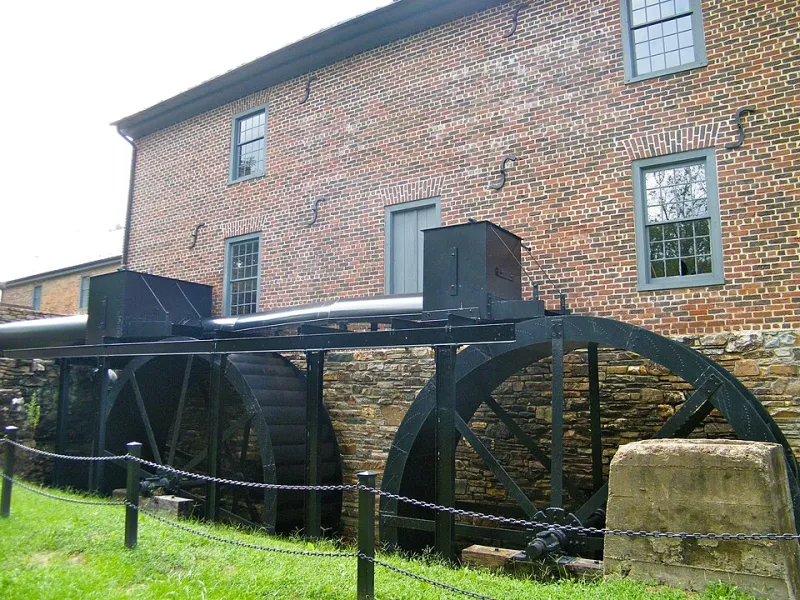
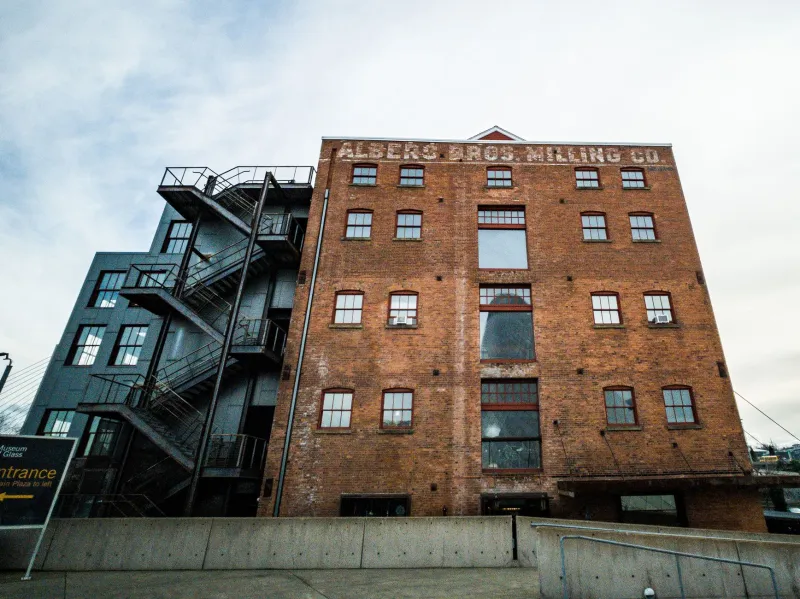
Historic mill buildings are no longer relics of a fading industrial age — they are becoming some of the most sought-after addresses in American real estate. From New England textile towns to Southern manufacturing corridors, the adaptive reuse of mill structures is redefining what it means to call a place home. Here is what buyers, renters, and investors need to understand about this powerful and enduring trend.